Establishing businesses is not an overnight process as you have to hustle to make it happen with optimal marketing, name card, and other things. A name card is considered a simple and straightforward marketing tool in businesses.
Finding a perfect card with essential business details is hard to find, and people do make the mistake of making inappropriate name cards. Let us look into things I wish I had known before of Sticker Printing as that would have helped me better. If you don’t want to make the same mistakes, continue reading.
Things I wish I had known earlier!
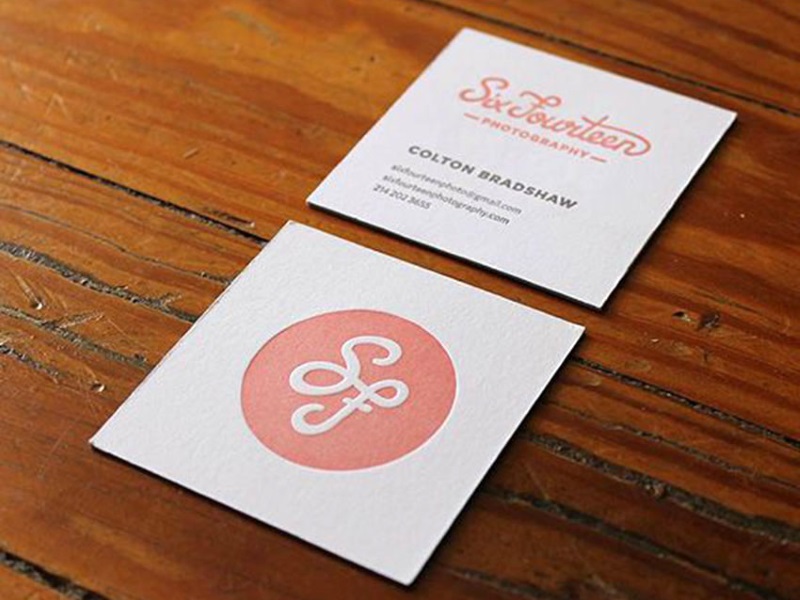
A name card is used as a mode of networking, but having reliable information is awful. Businesses need to mention details on name cards that clients, investors, and prospective clients need to know. Adding on unnecessary information on cards not only make you look unprofessional but cluttered. Let us look at the details that need to have on the name card.
- Name: of course, the name of the business is the most important thing to incorporate in your name card. The presentation of name on name card is also a significant aspect that needs to be done precisely. The name of the business or the person regulating the business acts as a bold statement. Not having a noticeable name on the card is often thrown away by people. If someone wants to contact you, they would have no idea who they should refer to. Ensure that you are mentioning your name in bold letters on the name card.
- Designation: along with having an effective name card, you must mention your designation so that people can have an idea of what you do. The designation is simply referred to as the position you hold in the organization you are working for a better understanding of people. Not mentioning designation on the name card would be irrelevant use name card. It is a must to mention designation on the card so that recipient knows what they should be expecting from you.
- Contact info: name and title have been successfully mentioned on the Sticker Printing or others; how would recipient contact you? Here you need to add your contact information on the card not to make it look impressive but useful. The name card is used as a networking tool, and it would work best if you provide contact info. The recipient can contact you easily through traditional and modern methods, so contact info should be precise and reliable. It is necessary to make preference stand out.
Wrapping up
Let us wrap this up as you are familiar with things I wish I had known before of Sticker Printing and others. Besides, a name card is a networking tool, so people should be considerate regarding it and mention out necessary details in a precise manner, as mentioned earlier. From address to name, everything should be present on the name card that makes it easier for clients, marketers, investors, and prospective partners to contact you.…